

Quick-dry synthetic fabrics, a waterproof jacket, and moisture-wicking base layers are the backbone of any monsoon trekking outfit. Rain gear alone won't save you if the fabric underneath stays wet for hours. Here's what actually works on the trail.
Wet clothes drain your energy faster than dry ones do, and once the rain sets in, what you're wearing stops being a style choice and becomes a safety one.
Why Clothes for Trekking Choice Matters So Much in the Rain
Wet cotton pulls heat straight out of your body - which is exactly why synthetic materials dominate any sensible monsoon packing list. Cotton feels soft and familiar at home, but on a wet trail it turns into a heavy, cold sponge that just won't let go of the moisture.
A sudden downpour can change the character of a trek within minutes, and your clothing is often what decides how well your body copes with that shift.
Get the clothing wrong on a monsoon trek, and you're looking at:
- Slower drying time, which keeps skin wet for hours at a stretch
- Chafing and rashes from fabric that won't dry
- Extra weight that tires you out faster than expected
- A higher chance of catching a cold
Once those risks are on the table, dressing properly for the trail stops feeling like something you can skip.
Which Fabrics Actually Hold Up in Monsoon Conditions?
Nylon, polyester, and softshell fabrics are the ones worth reaching for - they resist water and dry within minutes, not hours. Cotton, by contrast, can take most of a day to dry out, which rules it out fairly quickly.
Fabric is really where the whole outfit decision begins. A great-looking jacket layered over the wrong base still leaves you cold and miserable.
|
Fabric Type |
Water Resistance |
Drying Time |
Best Use |
|
Cotton |
Low |
Very slow |
Avoid for treks |
|
Polyester |
High |
Fast |
Base layers |
|
Nylon |
High |
Fast |
Outer shell |
|
Softshell |
Medium |
Medium |
Mid layer |
|
Merino Wool |
Medium |
Medium |
Cold, wet regions |
Experienced trekkers rarely guess when it comes to fabric - checking the label before you buy makes the rest of the decision much easier.
What Should You Wear Up Top?
A three-layer system is the standard for a reason: a moisture-wicking base layer, a fleece mid layer, and a waterproof outer jacket. It's the setup most seasoned hikers default to without much debate.
Each layer has exactly one job. The base pulls sweat off your skin, the fleece traps warmth, and the jacket keeps the rain from getting anywhere near either of them.
For the upper body, pack:
- A synthetic or merino wool base layer
- A lightweight fleece jacket for insulation
- A breathable waterproof jacket with sealed seams
- A quick-dry cap for rain protection
Drop any one of these, and the rest of the outfit has to work harder to make up for it.
What About the Lower Body?
Quick-dry trekking pants paired with waterproof gaiters cover most of what you need below the waist. Gaiters, in particular, keep mud, water, and leeches out of your shoes - something people underestimate until it happens to them.
Most trekkers put all their attention into jackets and forget about their legs entirely. But muddy trails are usually what people complain about most after a monsoon hike.
For the lower body, prioritise:
- Stretchable, quick-dry trekking pants
- Waterproof gaiters for leech and mud protection
- Thermal leggings if you're heading into colder hill regions
Jeans might seem like the convenient option, but they soak up water fast and stay heavy the whole day. Best to leave them at home for any monsoon trail.
How Do You Pick the Right Footwear?
Waterproof trekking shoes with deep tread and solid ankle support are what you want here. Grip matters just as much as water resistance once you're on slippery rocks.
Footwear works alongside everything else you're wearing to protect your whole body - a great outfit with the wrong shoes still leaves you exposed to slips and twisted ankles.
Before buying trekking shoes, check for:
- Waterproof or water-resistant material
- Deep tread built for wet rocks and mud
- A quick-drying inner lining
- Ankle support against twists on uneven ground
Where to Buy Clothes for Trekking Gear in India
Look toward outdoor gear brands that are specifically designed for monsoon conditions rather than generic sportswear, which tends to fall apart on wet trails fairly quickly.
Trekking groups across the Sahyadris, Himachal, and Uttarakhand often steer beginners toward brands built with local conditions in mind.
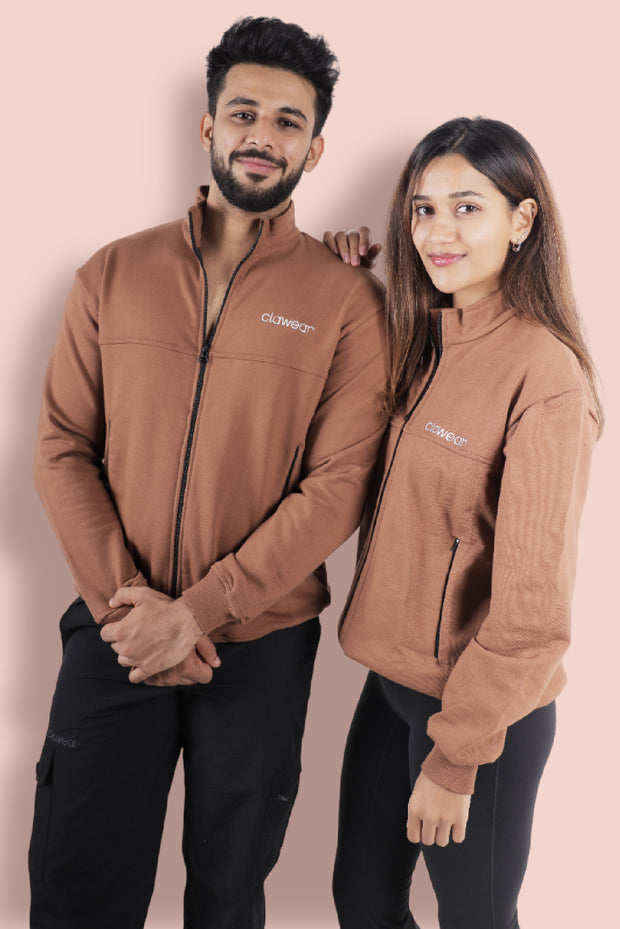
Clawear's trek clothing collection covers jackets, pants, and layering pieces suited to Indian monsoon trails. You can browse it here: Clawear Trek Clothing Collection.
Frequently Asked Questions
Q1. What are the best clothes for trekking in monsoon?
Quick-dry base layers, a waterproof jacket, and trekking pants with gaiters cover most monsoon conditions.
Q2. Can I wear cotton clothes for monsoon trekking?
Best avoided - cotton stays wet for hours and raises your risk of catching a cold.
Q3. Do I need gaiters for monsoon treks?
Yes, they're worth it. They block mud, water, and leeches on forest trails.
Q4. What footwear works best for monsoon trekking?
Waterproof shoes with deep tread and strong ankle support handle monsoon trails well.
Q5. How many clothing layers should I wear for monsoon treks?
Three tends to work best: a base layer, an insulating mid layer, and a waterproof outer jacket.
Follow us on Instagram for monsoon trekking tips, gear advice, and trail inspiration.

